

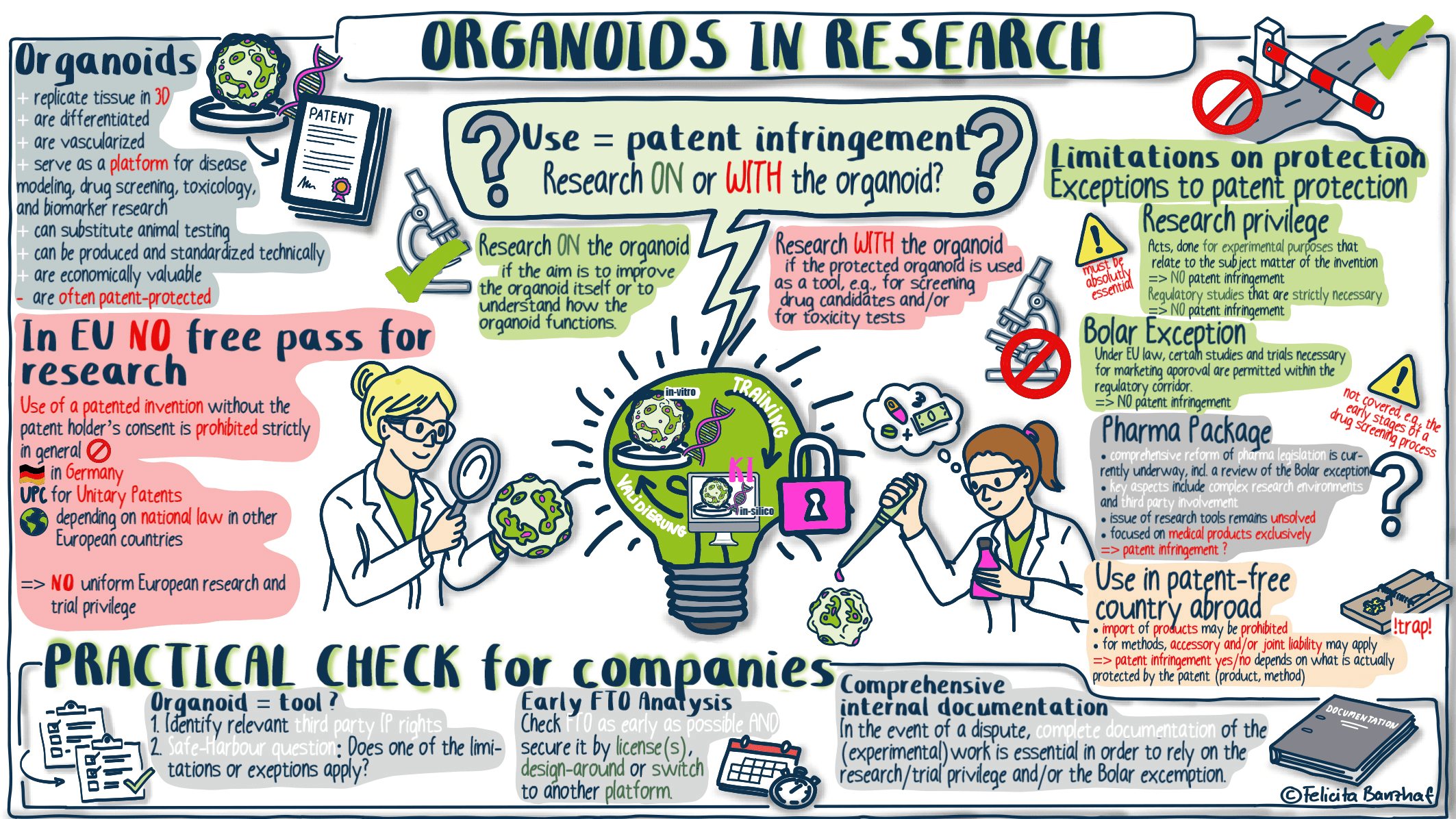
In-Vitro/In-Silico Organoids as Research Tools: Patent Infringement or Free Use in Drug Development?
Organoids hold great promise for human-relevant preclinical research, as disease models, and as a substitute for animal testing. Precisely for this reason, they are economically attractive as commercial products and are therefore often patented themselves. Whether their use without a license is permissible depends on three questions: Is research being conducted on the organoid itself, or does it serve merely as a tool? Is the focus on early drug discovery or on work already aimed at obtaining marketing authorization? And which law is applicable - German Patent Law (PatG), UPC law, or the national law of another EU member state?
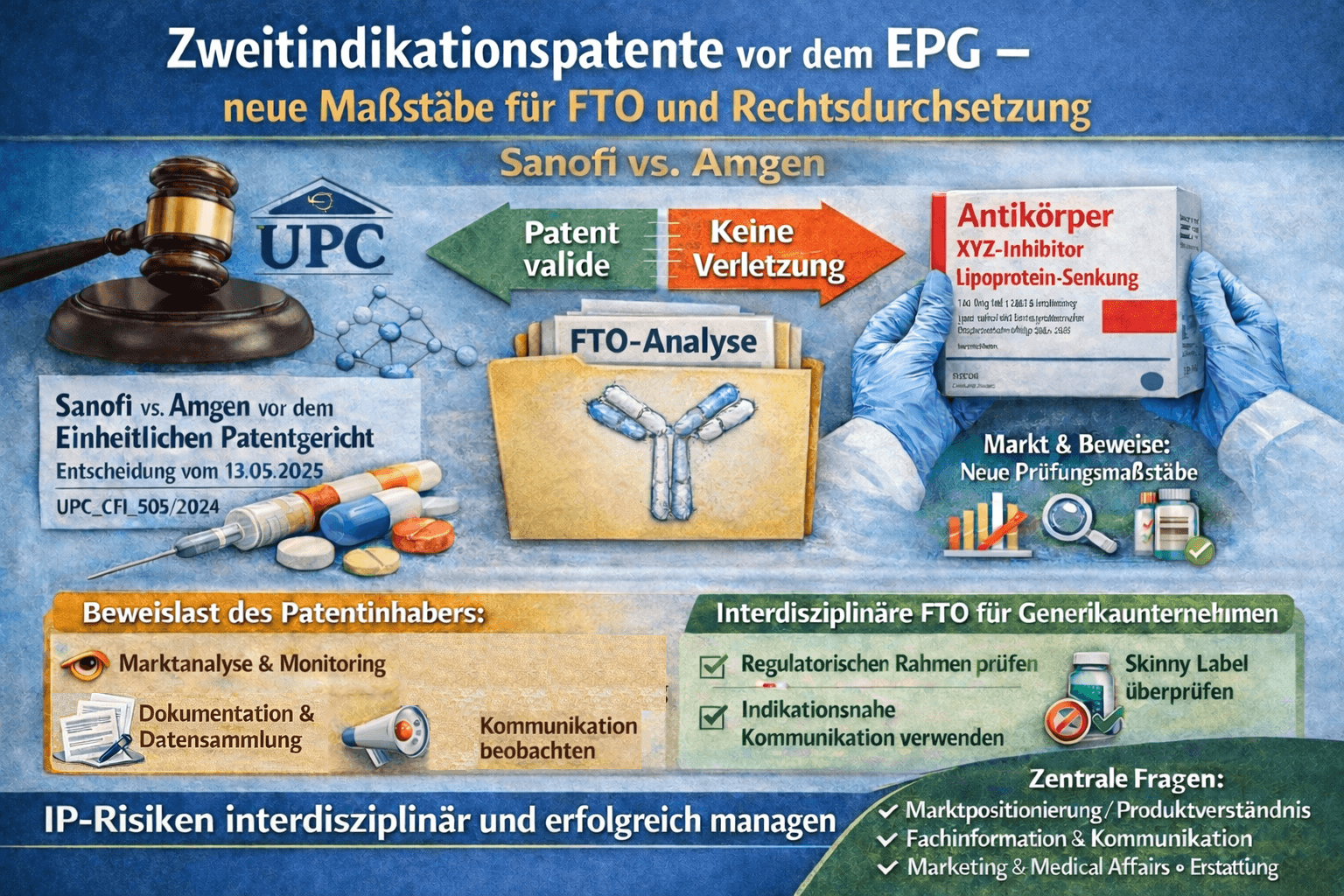
Patent Infringement from a Market Perspective
Second-indication patents are common in the life sciences sector, legally recognized, but complex to enforce. With the decision of the Unified Patent Court (UPC) in Sanofi v. Amgen dated May 13, 2025 (UPC_CFI_505/2024), the UPC has now, for the first time, provided an in-depth examination of the infringement of such claims. The outcome is nuanced: Patent EP3536712B1 remained valid, but infringement was denied. For originator and generic manufacturers, this means a strategic realignment.
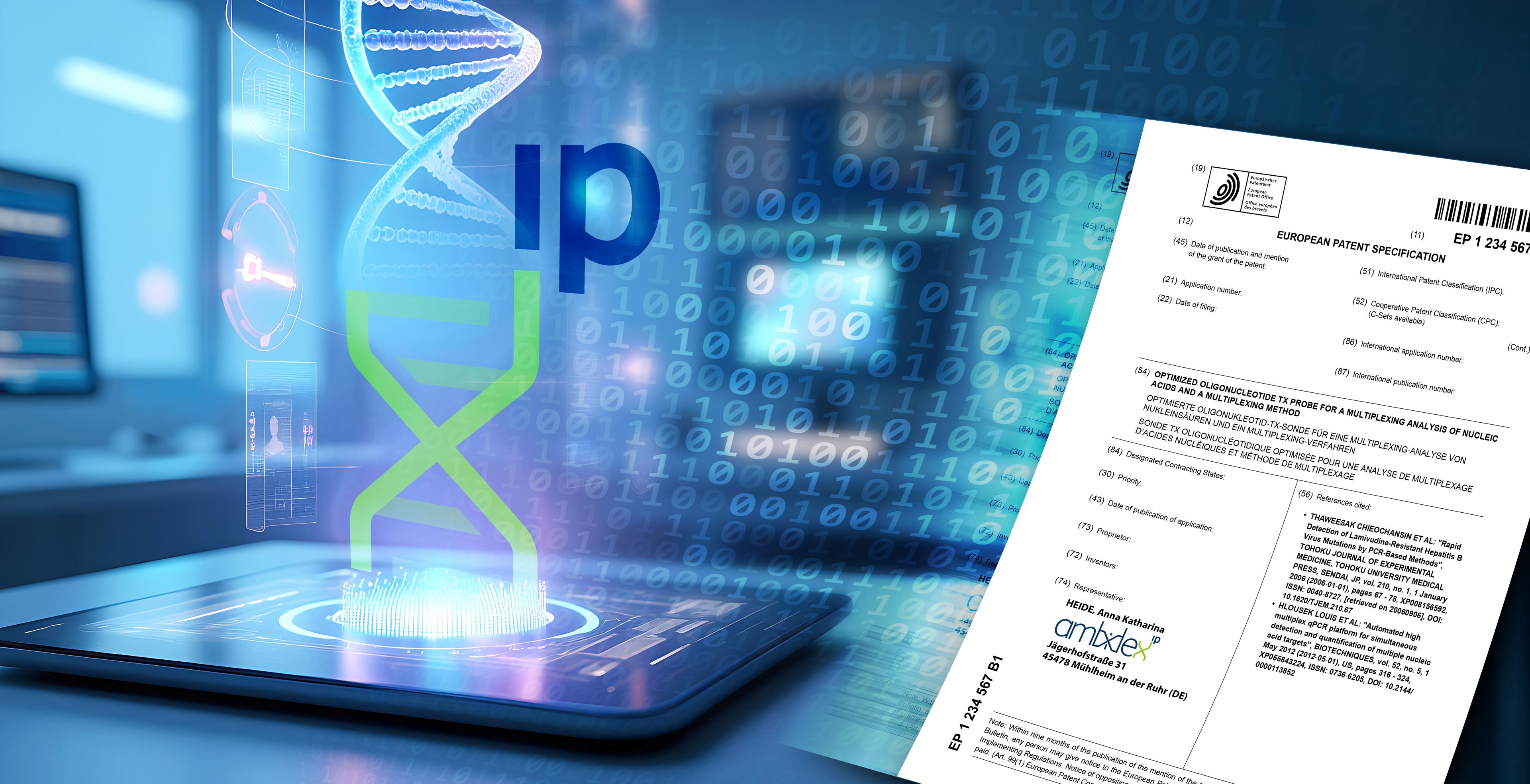
Can AI Save Biotech IP?
Artificial intelligence is supposed to rescue biotech patents, yet the European Patent Office also demands transparency, reproducibility, validity, and technical plausibility from it. So where does the potential of a “virtual evidence base” lie?